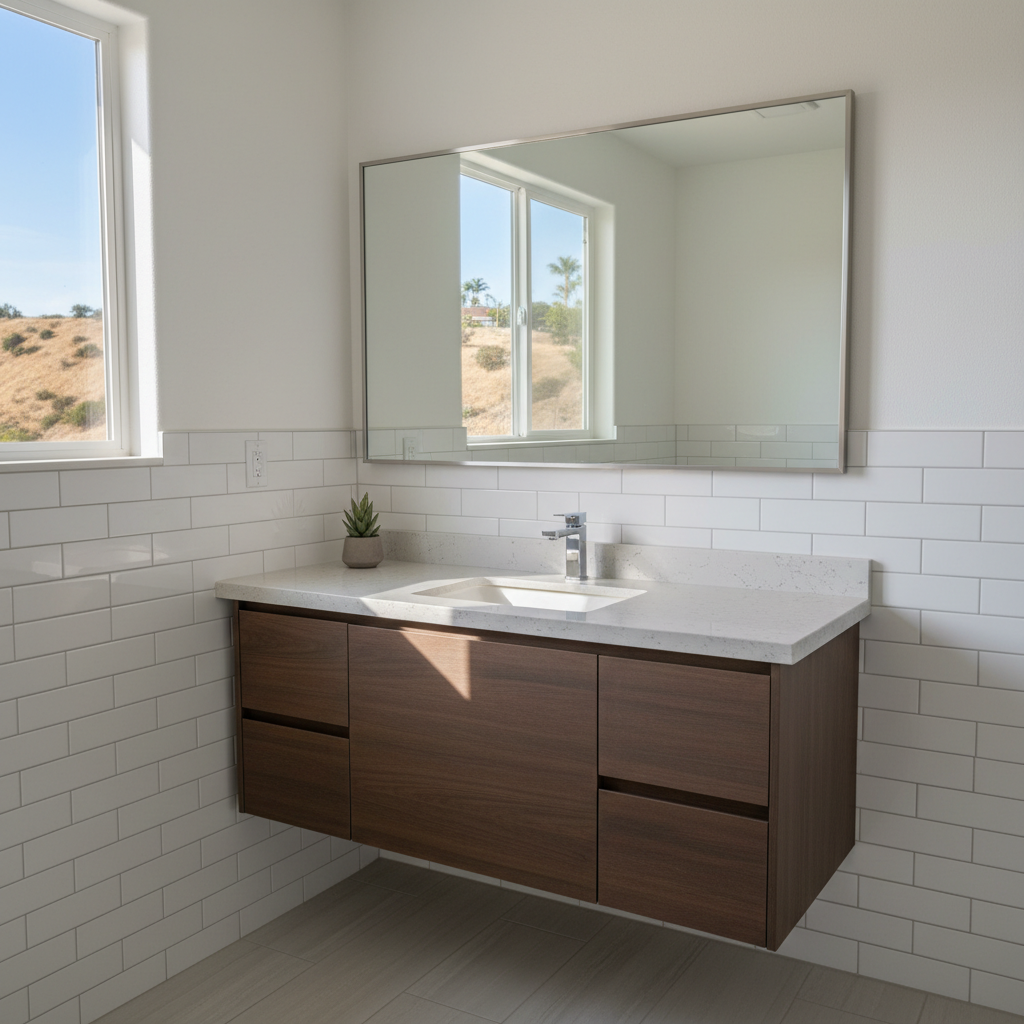
Alright, let's talk about bathroom vanities and sinks. Seems straightforward, right? You pick one out, someone installs it, done. But I've seen enough projects go sideways to tell you it's not always that simple. Homeowners in Covina, just like anywhere else, often make a few key mistakes when they're planning or hiring for a vanity and sink installation. And these mistakes can cost you time, money, and a whole lot of headaches.
Mistake #1: Not Measuring (And Remeasuring) Correctly
This sounds obvious, but you'd be shocked. People fall in love with a vanity online or in a showroom, buy it, and then realize it doesn't quite fit. Maybe it's too wide and bumps the door trim. Or too deep, making the bathroom feel cramped. Sometimes, it's the height – a standard vanity might feel too low if you're tall, or too high for kids. You need to measure the available wall space, the depth from the wall to the front of where the vanity will sit, and consider the swing of any doors or drawers. Don't forget about the mirror above it, too! Make sure the vanity's height doesn't interfere with your existing mirror or light fixtures, or that you've planned for new ones.
Mistake #2: Ignoring Plumbing Location
This is a big one. Most older homes in Covina, especially those built in the 60s and 70s around areas like Charter Oak, have pretty standard plumbing rough-ins. But if you're moving a sink, adding a second one, or choosing a vanity with an unconventional basin placement, your existing plumbing might not line up. This means extra work: cutting into walls, rerouting water supply lines, and moving drainpipes. That's not just a minor adjustment; it's a plumbing job that adds significant cost and complexity. Always check where your current water lines and drain are, and compare that to the new vanity's requirements. If they don't match, factor in the plumbing modifications from the start.
Mistake #3: Underestimating Installation Complexity
A lot of folks think installing a vanity is a DIY weekend project. And for a simple swap, maybe it can be. But what if the floor isn't perfectly level? What if the wall isn't plumb? What if the new sink requires a different type of P-trap or a specific faucet connection? What about securing the vanity properly to prevent it from wobbling? Or sealing the countertop to prevent water damage? These details matter. A professional installer knows how to handle these variables, making sure everything is level, secure, and watertight. We've seen plenty of DIY attempts that end up leaking or looking crooked, leading to more expensive fixes down the road.
Mistake #4: Skimping on Quality Materials
You're putting this in a bathroom, right? A place that gets wet, humid, and used daily. Going for the cheapest particleboard vanity might save you a few bucks upfront, but it's a false economy. That stuff swells and warps with moisture, and before you know it, you're replacing it again. Invest in solid wood, plywood, or at least a good quality MDF with a durable finish. Same goes for the countertop and sink. A cheap laminate or a flimsy sink won't stand up to daily use. You want something that can handle the humidity of a Covina summer and still look good for years. When we do installations at West Covina Bathroom Solutions, we always recommend materials that are built to last.
Mistake #5: Not Vetting Your Contractor (Or Not Hiring One At All)
This is probably the biggest mistake. Some homeowners try to save money by hiring the cheapest guy they can find, or someone who's not licensed or insured. Big mistake. What happens if they damage your home? What if the plumbing leaks after they leave? You could be on the hook for repairs, and your homeowner's insurance might not cover it if you used an unlicensed contractor. Always ask for references, check their license, and make sure they have proper insurance. A good contractor will also provide a detailed estimate, explaining what's included and what's not. They'll also know local building codes, which is crucial for things like proper ventilation or electrical outlets near water.
Mistake #6: Forgetting About Ventilation
This ties into material quality. Bathrooms generate a lot of moisture. If you don't have adequate ventilation – a good exhaust fan that's actually vented to the outside, not just into the attic – that moisture sits. It leads to mold, mildew, and eventually, damage to your vanity, walls, and ceiling. Even if you're just replacing a vanity, it's a good time to check your fan. Is it powerful enough for the size of your bathroom? Is it actually working? A well-ventilated bathroom protects your investment in that new vanity and keeps your home healthier.
So, before you start tearing out your old vanity or ordering a new one, take a breath. Measure carefully, think about your plumbing, consider the quality of materials, and if you're not comfortable doing it yourself, find a reputable contractor. Doing things right the first time will save you a lot of grief and money in the long run. Trust me on this one.