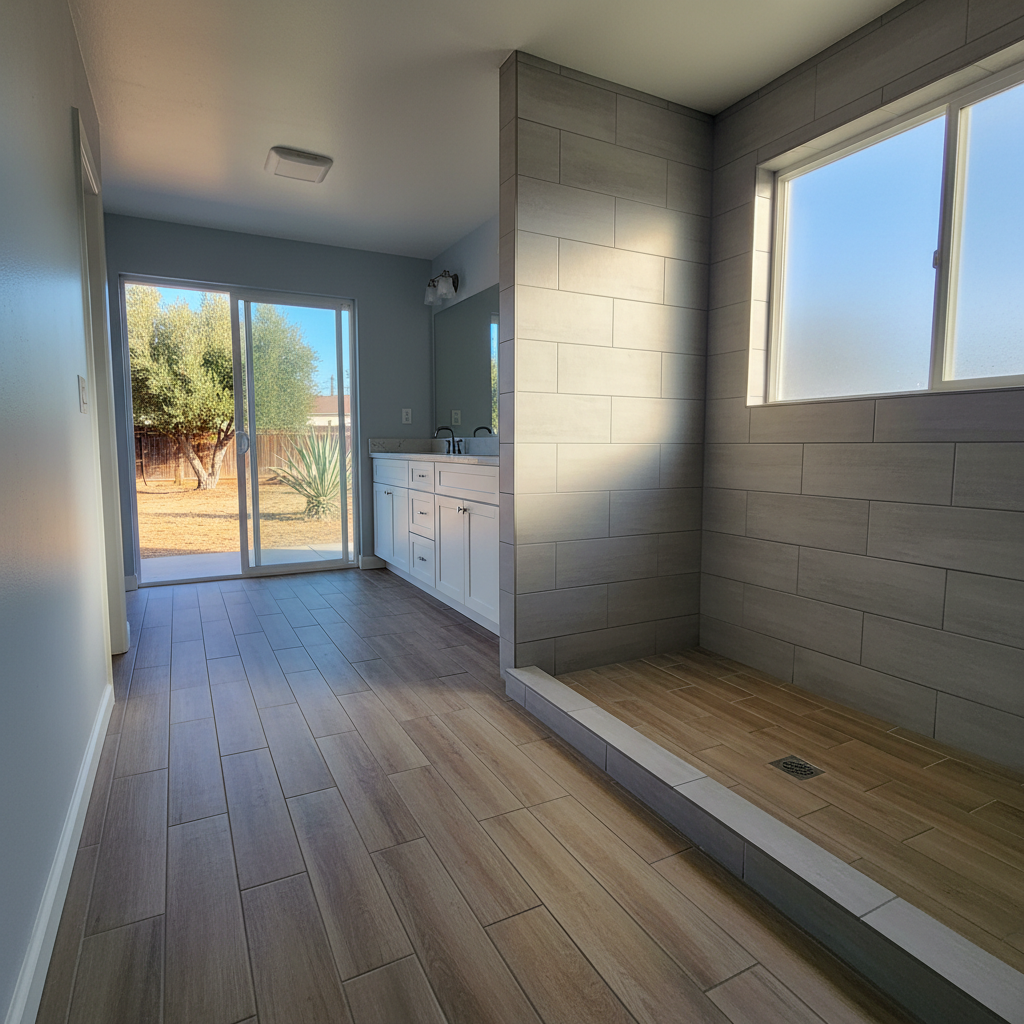
So, you're ready to upgrade your floors or put in some new tile, huh? That's a big decision, and it’s one that can really transform a space. But before you start ripping up old carpet or picking out fancy mosaics, let's talk about how to actually get this project done right. I’ve been doing this for years, and I’ve seen what works and what causes headaches. Consider this your no-nonsense guide.
Setting Your Project Timeline: What's Realistic?
People always want to know how long it'll take. And honestly, it depends on a few things. First, material selection. If you're picking out standard porcelain tiles or common LVP, they might be in stock or a week out. But if you’re eyeing some custom-cut natural stone or a specific pattern that needs to be ordered from overseas, you could be looking at weeks, sometimes even months, just for the materials to arrive. Don't underestimate this lead time.
Then there's the actual work. A small bathroom floor might be a day or two of actual installation, but a whole house of LVP? That's a week or more, easily. If we're talking about a full bathroom remodel with new tile in the shower, on the floor, and maybe even a wainscoting, you're looking at a couple of weeks, minimum, for the tile work alone, not counting demolition or other trades. Always build in a buffer. Things happen – unexpected subfloor damage, a material shortage, or even just the Covina heat making adhesive cure slower. A good contractor will give you a clear estimate, but understand it's an estimate.
What to Expect During the Installation Process
Alright, so you've picked your materials, signed the contract, and we're ready to go. What's it actually like having a crew in your house?
- Demolition: This is usually the messiest part. Dust, debris, noise. We'll do our best to contain it, but expect some disruption. We'll lay down drop cloths and seal off areas, but fine dust has a way of getting everywhere.
- Subfloor Prep: This is critical. Whether it's leveling a concrete slab (common in some older Covina homes) or reinforcing a wood subfloor, proper prep ensures your new flooring lasts. Don't let anyone skip this.
- Installation: This is where the magic happens. It's precise work. Depending on the material, there might be cutting noise, adhesive smells (we use low-VOC stuff when possible, but there's still a scent), and tools running.
- Curing/Drying: Tile grout needs time to cure. Adhesives need to set. You might be asked to stay off certain areas for 24-48 hours. Follow these instructions – it's for the longevity of your new floor.
We'll communicate with you daily about progress and any issues that pop up. My team at West Covina Bathroom Solutions makes sure you're never left wondering.
How to Prepare Your Home for the Crew
You can make things a lot smoother for everyone involved. Here’s what I recommend:
- Clear the Area: Move all furniture, rugs, and personal items out of the rooms where work will be done. If you need help with heavy items, ask your contractor if they offer that service (some do, some don't).
- Protect Belongings: Cover anything you can't move with plastic sheeting, especially in adjacent rooms. Dust travels.
- Pets and Kids: Keep them away from the work zone. It's safer for them and allows the crew to work efficiently. Maybe plan a playdate or a trip to a local park during the noisy parts of the day.
- Access: Make sure there's clear access to the work area, and let your contractor know about any specific parking instructions or access gates.
- Utilities: Ensure electricity and water are accessible. We'll need them.
Key Questions to Ask Before Signing a Contract
This is where you protect yourself. Don't be shy. Ask everything.
- What's the detailed scope of work? Make sure it lists everything: demolition, subfloor prep, installation, grout, cleanup, disposal of old materials.
- What materials are included, and what are my responsibilities? Are you supplying the tile, or is the contractor? Get it in writing.
- What's the payment schedule? Never pay the full amount upfront. A reasonable schedule is usually a deposit, progress payments, and a final payment upon satisfactory completion.
- Who will be doing the work? Is it an in-house crew or subcontractors? If subs, are they licensed and insured?
- What's your warranty on labor? A good contractor stands behind their work.
- How do you handle unexpected issues? What if we find water damage under the old floor? How will that be communicated and priced?
- Are you licensed and insured? Ask for proof. Don't work with anyone who can't provide it. This protects you if there's an accident.
- Can I see references or examples of similar projects? Photos are good, but a quick chat with a past client is even better.
Doing your homework upfront saves you a lot of stress and money down the line. A good tile and flooring installation isn't just about picking pretty materials; it's about solid planning and clear communication. Take your time, ask the tough questions, and you'll end up with floors you love.